Right of Light Claims
Get Compensation If a Development Is Blocking Your Light
If a new or ongoing development is impacting your natural light, you could be eligible for substantial compensation. Daylight Protect offers a full litigation solution and we facilitate the entire process so that you have nothing to lose.

Your right
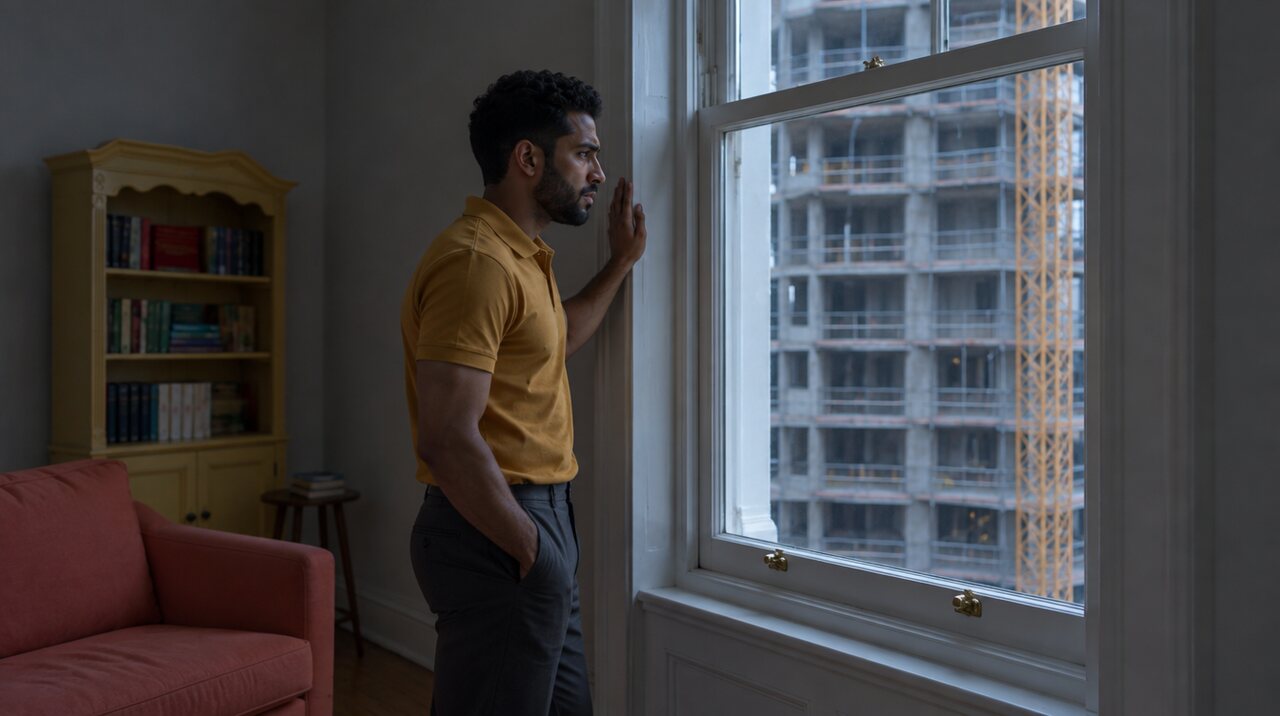
Many owners and occupiers in England and Wales have a legal right to light, usually acquired once a window has enjoyed daylight for 20 years or more. It's a private property right, and it is NOT given up when a developer obtains planning permission.
Our fight
If a neighbouring development has caused, or is about to cause, a loss of light, we will fight your corner on a NO WIN, NO FEE basis to get you the compensation you deserve. In some cases, this may include removal of an obstructing building or an interim injunction.
For light
Our one-stop solution puts a full team behind you. Specialist surveyors, property litigation solicitors and counsel where needed, all backed by legal insurance, working your claim end to end. Developers take a fully funded claim seriously. With an injunction realistically on the table, the balance of power shifts to you.
We've helped more than 2,000 clients and secured millions in compensation
Right to Light or “Right of Light” is a law that means neighbours should be able to enjoy adequate daylight into their building through defined apertures such as windows. Under the Prescription Act 1832, residents should be able to enjoy uninterrupted natural light for at least 20 years.
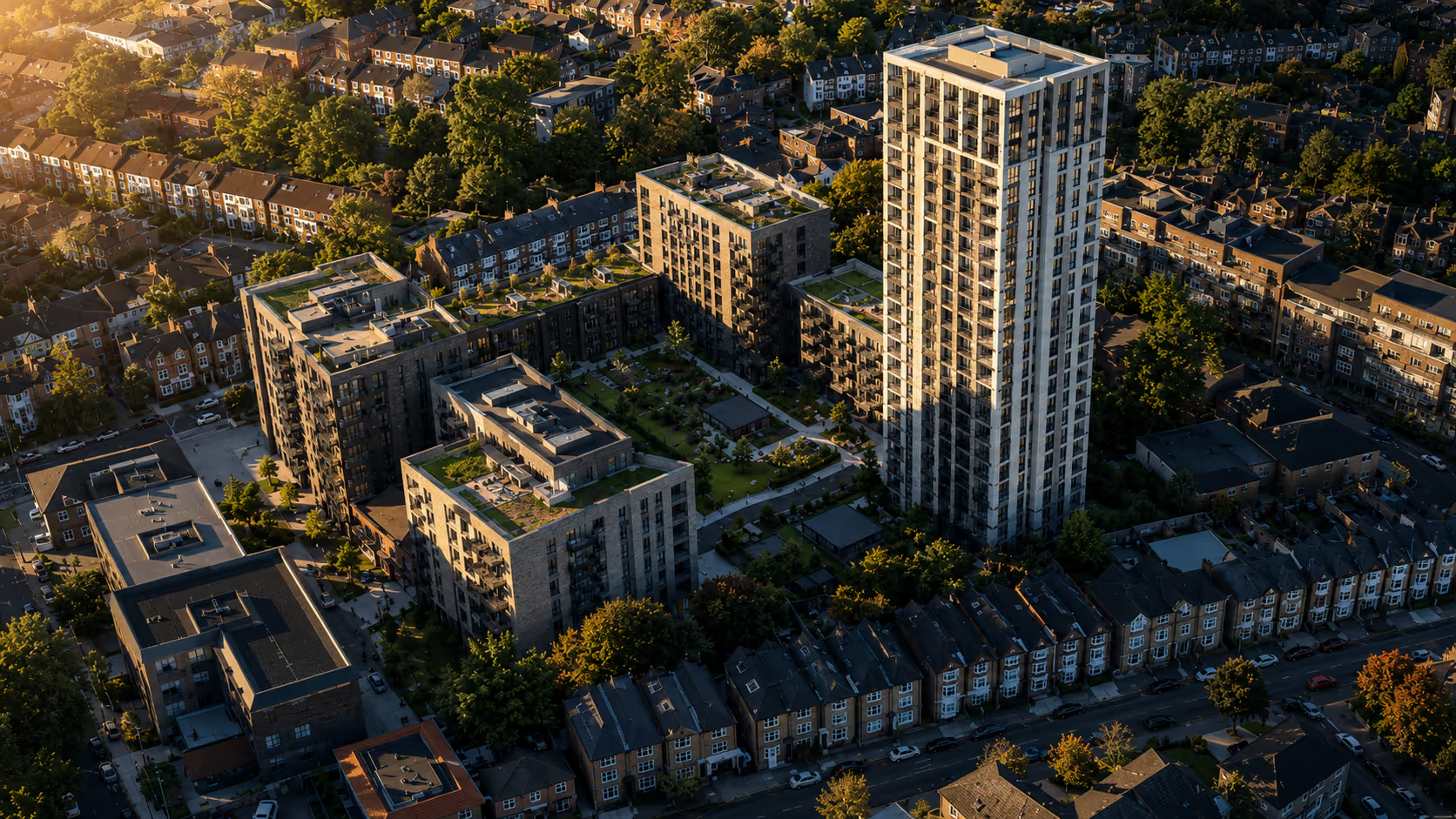
As urban development around the UK continues to grow, it is common that large development projects or regeneration projects impact the light of surrounding neighbours.
This becomes an issue when planning permission has already been granted or construction is well under way - and neighbours can get mixed messages and feel powerless to stop this development from taking place.
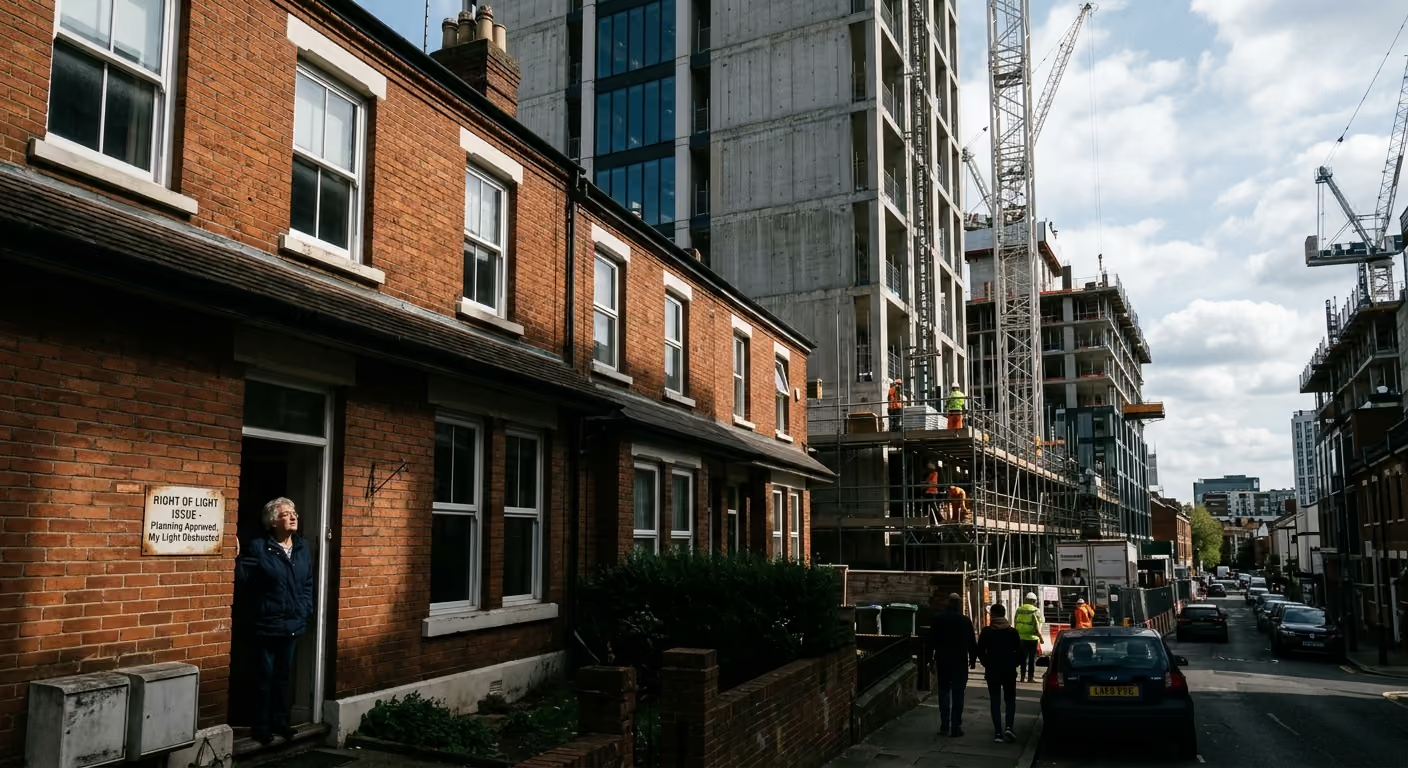
If you feel there is a new or ongoing development that is impacting the daylight of your home, there are several things you can do. There are legal ways to protect yourself and your property and our team can help find any specific titles in your property to help with this.
To understand the level of impact, we undergo a professional daylight assessment, using the well-known Waldram method. This determines whether a room is adequately lit by measuring the amount of visible sky from a reference point within the room.
If impacted, you could be eligible for some significant compensation. In some well-known cases, the courts have ruled that damages be paid to claimants, rather than stopping or tearing down the development because of the further impact to the environment. In short, you could be eligible for a very substantial settlement.
- Your window has received natural light - continuously and without interruption for at least 20 years, although rights can also arise through deeds or other legal grants.
- The claim relates to the amount of natural light reaching rooms - through specific windows or openings, rather than preserving an outlook or preventing all shadowing.
- The development must cause a material reduction in light – a claim is more likely where the new building significantly reduces the natural light available for the ordinary use and enjoyment of the affected room. Minor losses of light are generally not enough.
- The affected light must be legally protected – planning permission for the development does not automatically override an existing right to light, so a development can still face a claim even if it has been approved by the local authority.
- You must be able to show that the interference affects your property rights
- Full Litigation Solution - We have fully funded legal representation, meaning that we can go into every negotiation with the credible threat of court proceedings behind us and no risk to the client.
- No Win, No Fee - Our legal insurance covers all your court proceedings and litigation and claimants are not required to pay anything and only pay a commission if compensation is paid out.
- Faster Settlement - Developers understand that we come with a real opportunity to litigate and are therefore inclined to respond faster and settle faster than other methods.
In practice, residential Right to Light claims often settle anywhere from £5,000 to £50,000+, while commercial claims involving large and valuable developments can reach six or even seven figures.
For example, at the higher end, in the case of HKRUK II v Heaney, the court offered significant damages for the infringement, but the developer also faced the prospect of removing completed floors from the building, leading to an eventual confidential settlement.
In the landmark Right of Light case of Cooper & Powell v Ludgate House Ltd rights, the High Court awarded Mr Cooper £350,000 and his neighbours, Mr and Mrs Powell, were awarded £500,000
The surveyor plays a key role in assessing the impact of a Right of Light claim, by measuring the loss of daylight, providing written reports and opening up the negotiation.
At Daylight Protect, we work closely with surveyors to ensure we have a full assessment of your loss of daylight and we add the litigation aspect to be able to put pressure on the developers to respond or make a valuable settlement.
Previous successful claims
Typically, you have 12 months from the date of first infringement so this may be during the development phase and not when the construction is complete. After this 12 month window, it may be deemed that you have surrendered your light. However, it is important to note that every situation is different and certain exceptions exist.
From our experience it is likely that your right of light claim will settle within 12 months. However, this can vary significantly on a case-by-case basis as some cases can be far more complex than others.
We encourage you to share any communication you have had with developers, neighbours and local councils so that we put everything in your best interests. Many developers will shy away from settlements and compensation and their insurance policies will often not allow them to engage with local neighbours. We are here to advise on the best practice and approach possible.
Yes, we charge a commission in the event that your claim is successfully paid out. We cover all the assessment, surveyor, legal and court fees and you are not required to pay anything upfront. The commission amount will be made very clear to you before your commence.
You may still have a claim, but timing matters. Your strongest position is within the first 12 months after your light is interfered with, because the court has the fullest range of remedies available, including potentially ordering changes to the building.
Submitting a claim early protects your position and active protest is key to showing that you never gave up your rights.
The 2025 High Court decision in Cooper v Ludgate House confirmed that homeowners can secure substantial compensation even after a development is built, with two homeowners awarded £850,000 between them. The earlier you act, the stronger your position.
Most rights to light are acquired under the Prescription Act 1832, which requires that a window has enjoyed uninterrupted daylight for at least 20 years. If your home has been there that long, you very likely have a right. The only way to know for certain is a proper assessment, which we provide at no cost.
Most Right to Light disputes are resolved through negotiation without the need for a court hearing. However, if a satisfactory agreement cannot be reached, legal proceedings may be necessary to protect your rights. Our litigation team will act on your behalf in this instance.
We handle Right of Light claims under common law of England and Wales including:
Birmingham, Bradford, Brighton and Hove, Bournemouth, Bristol, Cambridge, Cardiff, Coventry, Derby, Exeter, Ipswich, Kingston upon Hull, Leeds, Leicester, Liverpool, London, Manchester, Newcastle upon Tyne, Newport, Norfolk, Nottingham, Oxford, Plymouth, Sheffield, Southampton, Stoke-on-Trent, Wolverhampton, Wrexham