Why would Point 2 contact me?
Point 2 Surveyors has written about a development near your property. Who they act for, whether to allow survey access, and how to protect your position.
Point 2 has no connection with Daylight Protect. This is independent information for property owners who have received correspondence from them. All statements about the firm are drawn from its own published material and were checked on 11 June 2026.
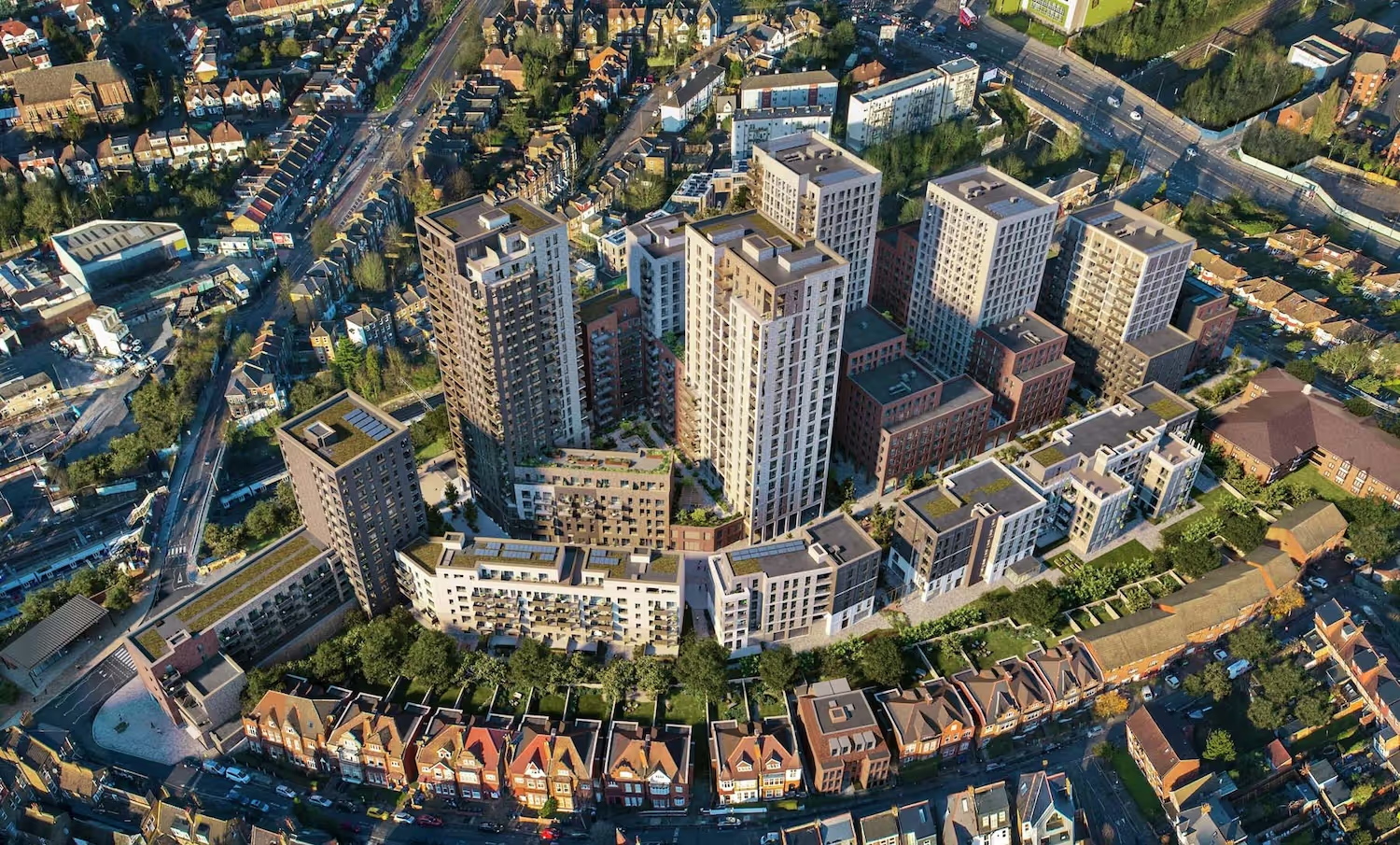
A letter from Point 2 Surveyors usually means a substantial development is planned near you. The firm's client list is built around major housebuilders, property companies and central London developers, and your property's light is one of the risks they have been hired to clear from the scheme's path.
- Point 2 describes its rights of light work as devising strategies to unlock the development potential of a site. On this scheme, your claim is part of what stands between the developer and that potential.
- If the letter requests access for a survey, you have choices about how and when, but a blanket refusal can hurt you later.
- Get an independent view of your claim before any substantive reply. Check your claim free of charge.
Who are Point 2 Surveyors?
Point 2 was founded in 2014 by a group of senior figures from the light surveying industry and has grown rapidly into one of the sector's leading consultancies, with a large dedicated technical team, its own analysis software, and specialisms across daylight, sunlight, rights to light, party wall and neighbourly matters. Its published client endorsements come from some of the biggest names in UK development, central London housebuilders and major property companies among them. The firm is professional and well regarded; the relevant point for you is simply who it answers to on this scheme. Its own positioning is explicit: rights of light strategy in service of unlocking a site's development potential. Your right is part of what gets "unlocked."
Why would Point 2 contact me?
Because the developer's assessment flagged your property. Typically the firm writes to neighbours for one of three reasons: to request access so its analysts can measure your windows and refine the light model; to notify you of the scheme and open settlement discussions; or to present terms, sometimes a deed of release, for signature. Whichever it is, the trigger is the same. The developer wants your claim resolved on known terms before it can mature into something with real holding power over the scheme.
Do I have to let their surveyor into my home?
No, but think before refusing. There is generally no automatic right of entry for a developer's rights of light survey, so the request is exactly that: a request. Refusing outright, however, is rarely the smart play. If the dispute ever reaches court, the conduct of both parties is weighed, and obstructive behaviour reads badly. It can also push the developer's team to model your property from assumptions rather than measurements, which is not always in your favour. The stronger position: take advice first, then grant access on agreed terms, with the visit documented and nothing conceded about your rights in the process.
What happens after the survey?
The measurements feed the developer's model of which properties suffer an actionable loss and what each release should cost. Settlement approaches usually follow, and the first figures offered reflect the developer's budget and timetable, not the value of your leverage. Two things are worth holding onto at this stage. First, planning permission, even when granted, does not extinguish your right to light; it is a private easement, commonly established after 20 years' enjoyment under the Prescription Act 1832, and only you can release it. Second, a deed of release is forever. It binds future owners of your property and permanently removes the injunction threat that gives your claim its value.
What are my options before I reply?
Acknowledge the letter if asked, commit to nothing, and sign nothing. Then choose how to run your side: alone, with your own surveyor at hourly rates, with a solicitor, or through a funded claim. The honest comparison is here: claims company vs your own surveyor vs solicitor. Whatever route you take, the developer's advisers will quietly assess one thing above all: whether your claim is funded well enough to be enforced. Claims that can't reach court settle at a discount; claims that credibly can, don't.
How can Daylight Protect help?
The Daylight Protect Claim Plan handles your whole claim on a no win, no fee basis. Specialist solicitors act for you, and insurance included in the plan pays the expert bills, the court fees and the other side's costs if the claim fails. Our fee is a percentage of your compensation, paid only when you win. Everything is set out in writing before you start, and if your claim is unsuccessful you pay nothing. The developer has a professional team managing their light risk. This plan means you have one too.
Find out what your claim is worth →
Daylight Protect is a litigation facilitator, not a firm of solicitors. We arrange and manage rights of light claims on a no win, no fee basis; legal work is carried out by independent specialist solicitors who act for you. Our fee is payable only if your claim succeeds.
Frequently asked questions
Is Point 2's letter genuine?
Yes. Point 2 is an established consultancy acting for many of the UK's largest developers. The letter is a routine professional step, sent in the developer's interest.
Can I negotiate the access terms?
You can and should. Reasonable conditions, such as timing, notice, what is inspected, and written confirmation that access concedes nothing about your rights, are normal and a sign you are taking the matter seriously.
If their survey shows only a small loss, is my claim worthless?
Not necessarily. The legal test is about the light the law protects, not percentages in isolation, and the developer's model is the developer's evidence. An independent assessment is the only way to know where you actually stand.
This article is general information about rights of light in England and Wales, not legal advice on your specific circumstances.