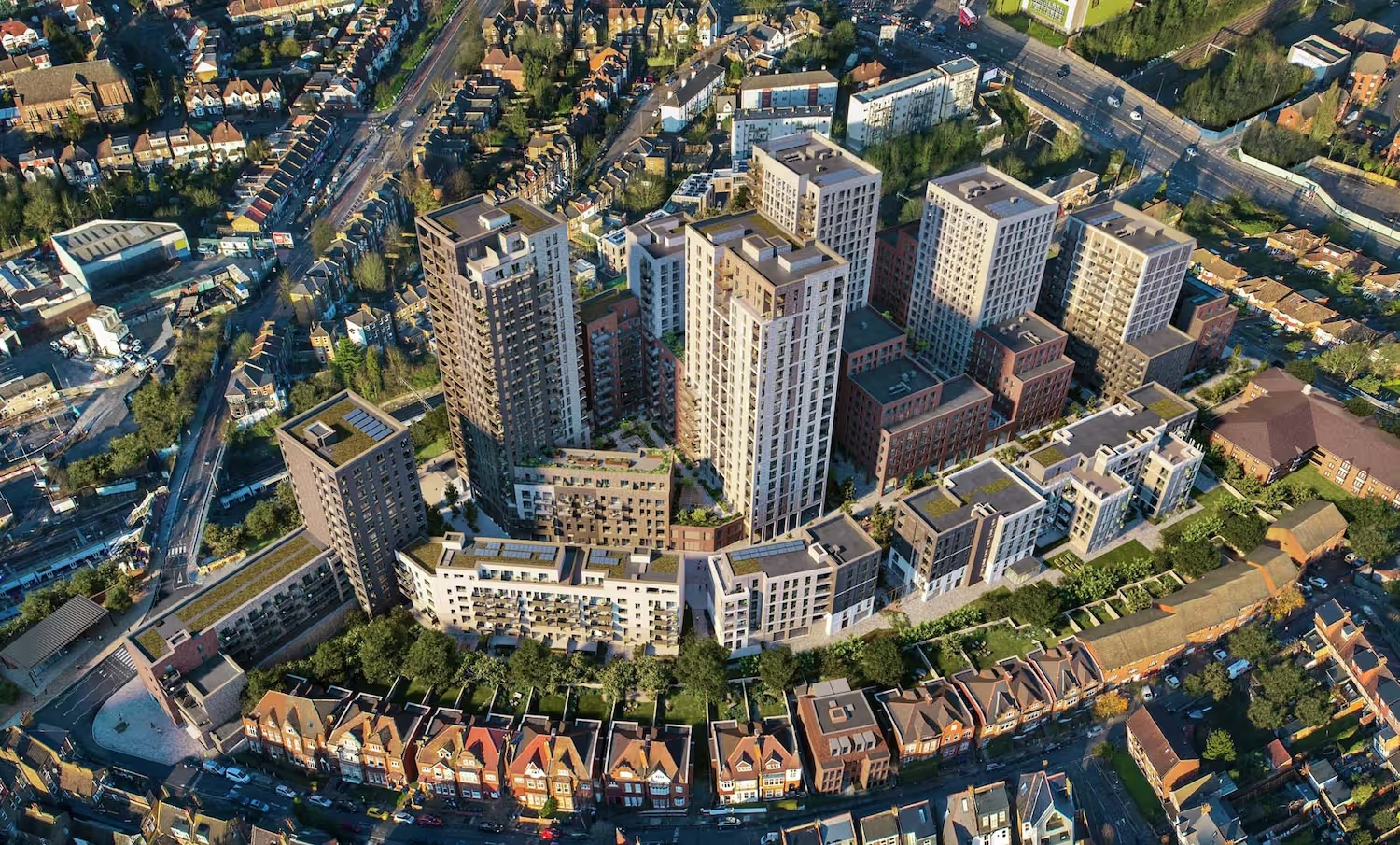
Right of Light Calculation UK
A Right of Light Calculation determines whether a new building or extension has significantly reduced the natural light entering a neighbouring property.
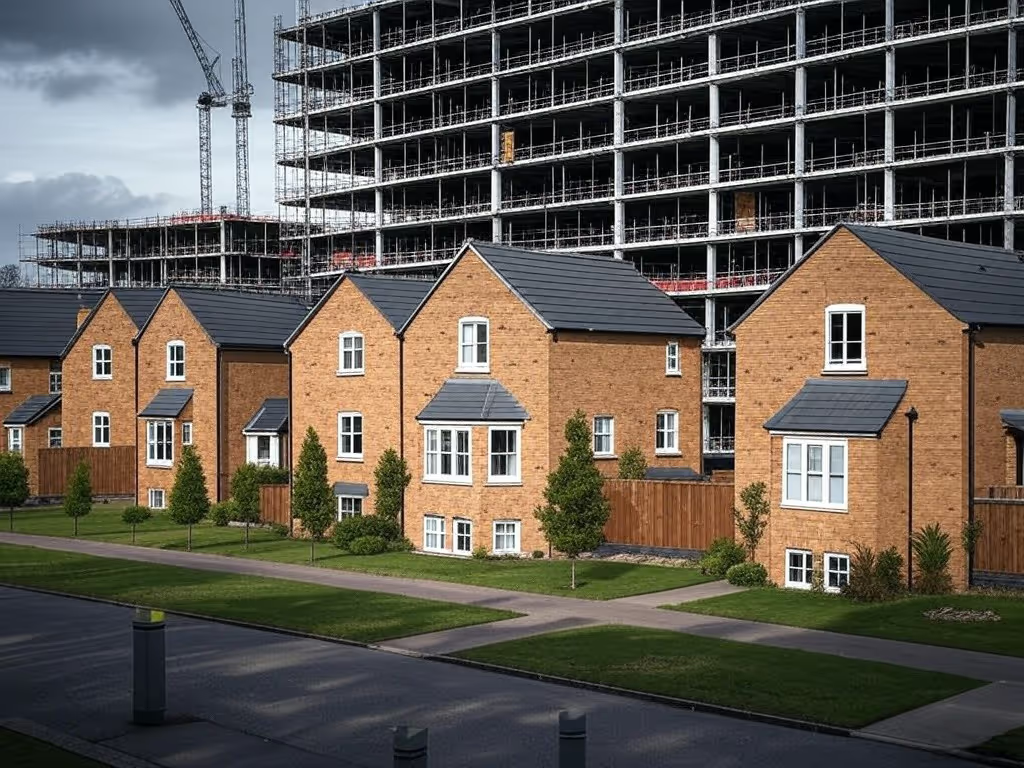
If a development is being built close to your home and you believe it is reducing your daylight, a specialist calculation can measure the impact and help establish whether you may have a legal right to make a right of light claim.
Typical methods include the Waldram Method, 50/50 rule, The Working Plane and 0.2% Sky Factor.
Daylight Protect can help you seek compensation, negotiate with the developer or, in appropriate circumstances, work with specialist solicitors to seek an injunction to stop or restrict building works.
What is a Right of Light Calculation?
A Right of Light Calculation is a technical right of light assessment that measures the effect a building or extension has on the natural light entering a neighbouring property.
It compares the amount of light available before and after a development. This can help establish whether the reduction is significant enough to potentially amount to an actionable interference with a legal right to light.
The calculation is different from a standard daylight and sunlight assessment carried out for planning purposes. A daylight and sunlight assessment generally considers planning requirements, while a rights to light calculation considers a private property right.
One of the established methods used for rights to light calculations is the Waldram Method. This geometric method assesses the amount of sky visible from different points within a room.
The results can provide important technical evidence when considering whether a development has affected your property.
What Methods Are Used For a Right of Light Calculation?
The Waldram Method
The Waldram Method is a recognised approach used by rights of light surveyors to assess the amount of sky visible from within an affected room. Modern assessments use specialist computer software to model the property and compare light levels before and after a proposed development.
The Working Plane
The assessment is carried out across a horizontal area within the room known as the “working plane”. This is generally set at around 838mm to 850mm above the finished floor level, roughly corresponding to the height of a desk or table.
The working plane provides a consistent level at which the surveyor can assess the distribution of natural light throughout the room.
The 0.2% Sky Factor
The calculation considers how much direct light from the open sky reaches different points across the working plane. A point is traditionally regarded as receiving adequate light where at least 0.2% of its illumination comes directly from the sky.
This 0.2% threshold is commonly known as the “grumble point” and forms an important part of the traditional Waldram assessment.
The 50/50 Rule
The results can then be used to establish how much of the room continues to receive adequate natural light following the development.
The traditional 50/50 rule considers whether at least half of the room remains adequately lit. If the area receiving the required level of light falls below 50% as a result of an obstruction, this may indicate a potentially actionable interference. In some residential circumstances, a figure of up to 55% may be considered.
It is important to remember that these figures are technical benchmarks rather than automatic legal tests. Whether a right to light has been unlawfully interfered with depends on the individual circumstances of the property and the wider legal position.
Why is a Right of Light Calculation Important?
A Right of Light Calculation is important because it provides measurable evidence of how a development has affected the natural light entering your property.
It can be difficult to establish the extent of a loss simply by looking out of a window. A room may feel darker, but you may not know whether the reduction is significant enough to raise a legal issue.
A specialist calculation can compare the position before and after the development and identify the extent of the change.
This information can be useful when dealing with a developer, their surveyors or their solicitors.
It can also help you understand whether further action may be appropriate.
Depending on the circumstances, this could include negotiating compensation, asking the developer to modify the design or considering legal proceedings.
Is a Right of Light Calculation the Same as a Daylight Assessment?
No, a Right of Light Calculation and a planning daylight assessment have different purposes.
A daylight and sunlight assessment is normally prepared as part of the planning process and considers the effect of a development using planning guidance and relevant daylight and sunlight metrics.
A rights to light calculation is concerned with private property rights.
This distinction is important because receiving planning permission does not automatically remove or override a neighbouring property's private right to light.
A development can therefore have planning permission while still potentially creating a rights to light issue.
Do I Pay For a Right of Light Calculation?
At Daylight Protect, we offer a free initial pre-assessment to determine whether your property may have a viable claim. We operate on a no-win, no fee basis.
If your claim progresses under our claim plan, we can fund the surveyor, solicitors, counsel, court fees and relevant litigation costs and only receive a commission if your claim is successfully paid out.
What Are The Potential Outcomes of a Right of Light Calculation?
Compensation
You may be able to negotiate financial compensation with the developer or receive a settlement figure, sometimes in the thousands or tens of thousands of pounds. The amount will depend on the circumstances of the claim, including the extent of the interference and the relevant legal and valuation considerations.
Changes to the Development
A developer may agree to alter the design or reduce the size of a development to minimise the effect on neighbouring properties.
This can sometimes provide a practical solution without the need for court proceedings.
Injunction
In appropriate circumstances, you may be able to seek an injunction to stop or restrict building work.
An injunction is a court order and is not automatically granted. The court will consider the circumstances of the individual case and the appropriate remedy.
Negotiation
A detailed technical calculation can provide evidence for negotiations with the developer.
Depending on the circumstances, the parties may be able to reach an agreement without going to court.
No outcome
If the legal methods and calculations determine that the development is not impacting your right of light, there is no further outcome or costs to you.
Speak to Our Rights to Light Experts Today