Right of Light Claims in Manchester and Cheshire
Has a Development Reduced the Natural Light Coming Into Your Property?
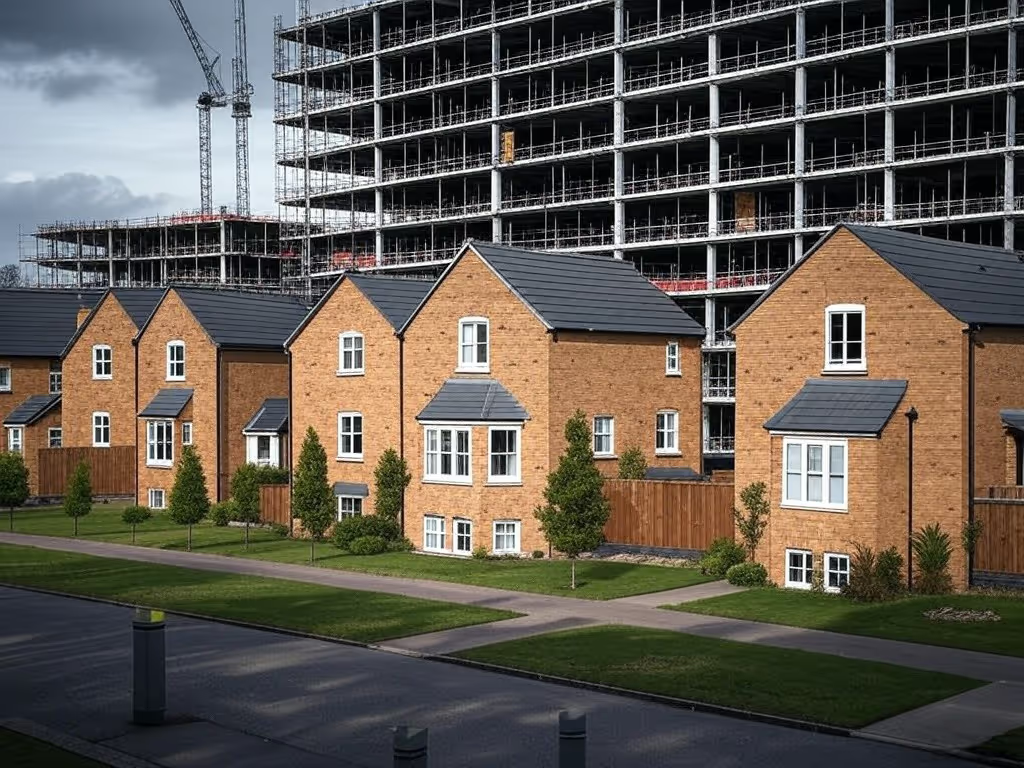
If you live in the Manchester or Cheshire area and a new or existing development is reducing the natural light entering your home, you may have something called a right of light claim.
Daylight Protect provides a complete service for homeowners affected by loss of daylight. We work with specialist surveyors and property litigation solicitors to assess your situation, establish whether you may have a claim and negotiate with the developer on your behalf.
We operate on a no-win, no-fee basis, meaning you do not pay the costs of the assessment, surveyor or legal work upfront. A fee is payable only if your claim is successful, with the terms explained to you before you proceed.
If a development near your home in Greater Manchester or Cheshire is affecting your light, get in touch today so we can escalate your claim.
What Is a Right of Light?
A right of light is a legal right that can protect the amount of natural daylight entering a property through certain windows or other openings.
In many cases, a right of light can be acquired after a window has received uninterrupted daylight for 20 years or more. After these 20 years, there are limitations on what neighbouring developments can build around you and how they might impact your light.
Rights can also arise through deeds, grants or other legal arrangements, so the 20-year rule does not apply in every situation.
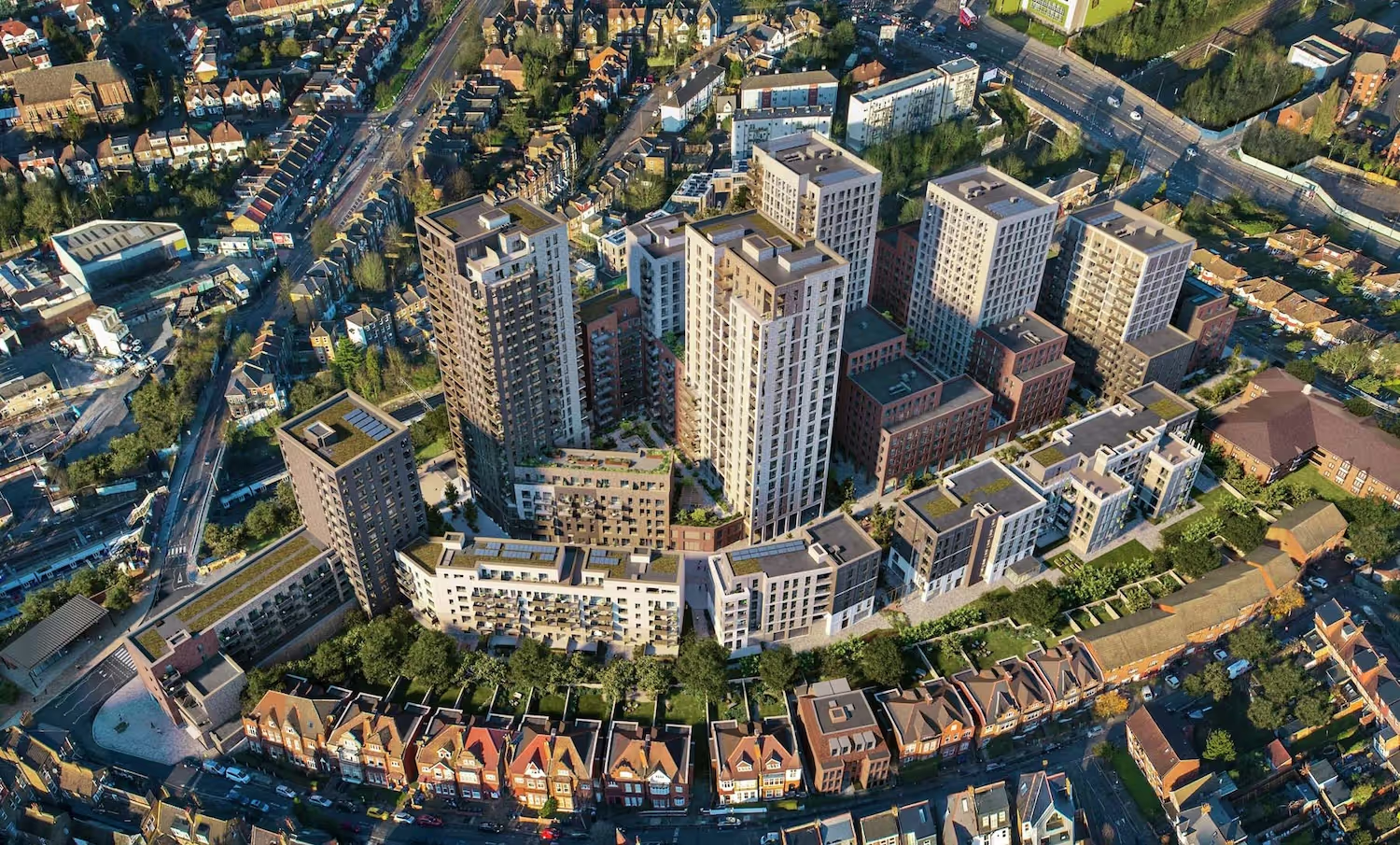
This can become particularly important in areas experiencing significant development such as Manchester.
Manchester has seen extensive construction and regeneration, while towns and cities across Cheshire are also experiencing new housing, commercial and mixed-use developments.
Planning permission and private rights to light are separate legal matters. So even if the developer has all the planning permission in the world, if they encroach on your natural light, they may have to:
- Halt obstruction
- Knock down and rebuild their development
- Pay you compensation
Where Can You Help Me Make a Right of Light Claim Around Manchester?
We can help you submit a right of light claim in Manchester and surrounding areas including: Altrincham, Ashton-under-Lyne, Atherton, Bolton, Bury, Chadderton, Denton, Eccles, Leigh, Middleton, Oldham, Radcliffe, Rochdale, Romiley, Sale, Salford, Stockport, Urmston, Wigan.
This includes properties affected by:
- Developments in the planning process, being built and completed
- New apartment and residential developments.
- Large commercial developments.
- Regeneration schemes.
- Extensions and major building works.
- Council-led developments.
- Construction projects affecting established homes and businesses.
Could You Have a Right of Light Claim in Manchester or Cheshire?
You may be eligible for a right of lights claim in Manchester if a nearby development has caused, or is likely to cause, a significant reduction in the natural daylight entering your property.
Every property is different, so simply having a large building nearby does not automatically mean you have a legal claim and could result in a high settlement figure.
Several factors need to be considered, including the history of the light reaching your windows (has it been more than 20 years?), the legal rights attached to your property and the actual effect of the development.
Your situation may be worth investigating if:
- Your home has received natural daylight through its windows for 20 years or more.
- A new development, extension or regeneration scheme is reducing the amount of daylight entering your rooms.
- Construction has started or is due to start close to your property.
- You have received letters or other communications from a developer about the project.
- A developer has contacted you about your rights or offered you compensation.
- You believe the development could significantly affect the normal use and enjoyment of rooms in your property.
A professional right of light assessment is needed to understand your particular circumstances.
What Happens If a Development in Manchester Is Blocking Your Light?
If you feel that a new or ongoing development is blocking the light entering your home, you could take legal action against the developer - and this could result in them stopping the construction or paying you a settlement figure.
The first step is to establish how much your daylight has actually been affected.
Daylight Protect works with specialist surveyors who can assess the reduction in light using recognised methods, including the Waldram Method. The assessment looks at how much natural light reaches the relevant rooms and whether the reduction may be legally significant.
We consider the legal position including the property titles, deeds, grants and other documents that could establish whether your property has a protected right to light.
Once the technical and legal position has been assessed, the next step may be to contact the developer and negotiate a settlement.
If an agreement cannot be reached, legal proceedings may be considered where appropriate.
How Is a Right of Light Claim Assessed?
A right of light claim involves more than simply looking out of a window and deciding that a room feels darker.
A specialist surveyor can carry out technical calculations to establish the amount of daylight reaching the affected rooms.
Daylight Protect states that it uses the Waldram Method when assessing claims. Its published guidance also refers to the 50/50 rule, under which at least 50% of a room should receive a sky factor of 0.2% or more.
The surveyor's assessment is then used alongside the legal information to establish whether there may be an actionable interference with your rights.
This is why getting a professional right to light assessment is important. A development may look large from outside but have a relatively small legal impact on your property, while another development may have a much greater effect than you initially realise.
What Compensation Could You Receive If a Developer in Manchester is Blocking Your Light?
Residential right of light claims can commonly settle in the region of £5,000 to £50,000 or more, while some larger commercial claims can be substantially higher.
The value of a claim can depend on factors such as the extent of the loss, the property involved, the development itself and the value of the right to light being negotiated.
In some cases, substantial sums have been awarded. For example, in Cooper & Ors v Ludgate House Ltd, two homeowners received damages of £350,000 and £500,000 respectively following a dispute concerning loss of light. Daylight Protect reports that these awards were made following the substantive proceedings and subsequent costs judgment.
These figures should not be treated as an indication of what an individual homeowner in Manchester or Cheshire will receive. Each claim is assessed on its own facts.
Can I Claim If the Development Has Already Been Built?
You may still have a claim even if construction has been completed. However, timing can be important.
At Daylight Protect, we advise property owners to act promptly if they believe their right to light is being affected. The first 12 months following an interference can be particularly important when considering available remedies.
If you have noticed a loss of light but the building is already finished, you should not assume that it is too late to investigate your position.
The legal options will depend on the individual circumstances, so early professional advice is recommended.
How Does Daylight Protect Handle Right of Light Claims?
At Daylight Protect, we provide an end-to-end service that brings together the surveying and legal sides of a right of light claim. Our legal team can put pressure on the developers so that they might be encouraged to settle rather than going to court.
The process generally involves three main stages:
1. Assess Your Property
The first stage is to assess the impact of the development on your natural light.
Specialist surveyors can measure the loss of daylight and examine the relevant rooms. Legal information relating to your property can also be reviewed.
2. Negotiate With the Developer
If the assessment indicates that you may have a valid claim, the information can be presented to the developer.
The aim is to reach an appropriate settlement without the need for a court hearing where possible.
Our legal team can put pressure on developers by being prepared to pursue litigation where necessary.
3. Reach a Settlement or Take Legal Action
Many disputes are resolved through negotiation.
However, if a suitable agreement cannot be reached, court proceedings may be considered.
Daylight Protect says that it provides legal representation and litigation support as part of its claims service.
Why Choose Daylight Protect?
Specialist Surveyors and Legal Support
Right of light claims can involve both technical surveying work and complex property law.
Daylight Protect brings these areas together by working with specialist surveyors, solicitors and barristers where required.
No-Win, No-Fee
Daylight Protect operates a no-win, no-fee model.
We cover the assessment, surveyor, legal and court costs, with a commission payable if compensation is successfully recovered. The exact commission should be explained before you proceed.
Full Litigation Support
If negotiations do not resolve the dispute, Daylight Protect can continue to support the claim through litigation where appropriate.
This means homeowners do not have to manage negotiations, surveying and potential legal action separately.
Speak to Our Rights to Light Experts Today
Typically, you have 12 months from the date of first infringement so this may be during the development phase and not when the construction is complete. After this 12 month window, it may be deemed that you have surrendered your light. However, it is important to note that every situation is different and certain exceptions exist.
From our experience it is likely that your right of light claim will settle within 12 months. However, this can vary significantly on a case-by-case basis as some cases can be far more complex than others.
We encourage you to share any communication you have had with developers, neighbours and local councils so that we put everything in your best interests. Many developers will shy away from settlements and compensation and their insurance policies will often not allow them to engage with local neighbours. We are here to advise on the best practice and approach possible.
Yes, we charge a commission in the event that your claim is successfully paid out. We cover all the assessment, surveyor, legal and court fees and you are not required to pay anything upfront. The commission amount will be made very clear to you before your commence.
You may still have a claim, but timing matters. Your strongest position is within the first 12 months after your light is interfered with, because the court has the fullest range of remedies available, including potentially ordering changes to the building.
Submitting a claim early protects your position and active protest is key to showing that you never gave up your rights.
The 2025 High Court decision in Cooper v Ludgate House confirmed that homeowners can secure substantial compensation even after a development is built, with two homeowners awarded £850,000 between them. The earlier you act, the stronger your position.
Most rights to light are acquired under the Prescription Act 1832, which requires that a window has enjoyed uninterrupted daylight for at least 20 years. If your home has been there that long, you very likely have a right. The only way to know for certain is a proper assessment, which we provide at no cost.
Most Right to Light disputes are resolved through negotiation without the need for a court hearing. However, if a satisfactory agreement cannot be reached, legal proceedings may be necessary to protect your rights. Our litigation team will act on your behalf in this instance.
We handle Right of Light claims under common law of England and Wales including:
Birmingham, Bradford, Brighton and Hove, Bournemouth, Bristol, Cambridge, Cardiff, Coventry, Derby, Exeter, Ipswich, Kingston upon Hull, Leeds, Leicester, Liverpool, London, Manchester, Newcastle upon Tyne, Newport, Norfolk, Nottingham, Oxford, Plymouth, Sheffield, Southampton, Stoke-on-Trent, Wolverhampton, Wrexham