Right of Light Resolutions
Protect your light. Understand your rights. Find the right resolution.
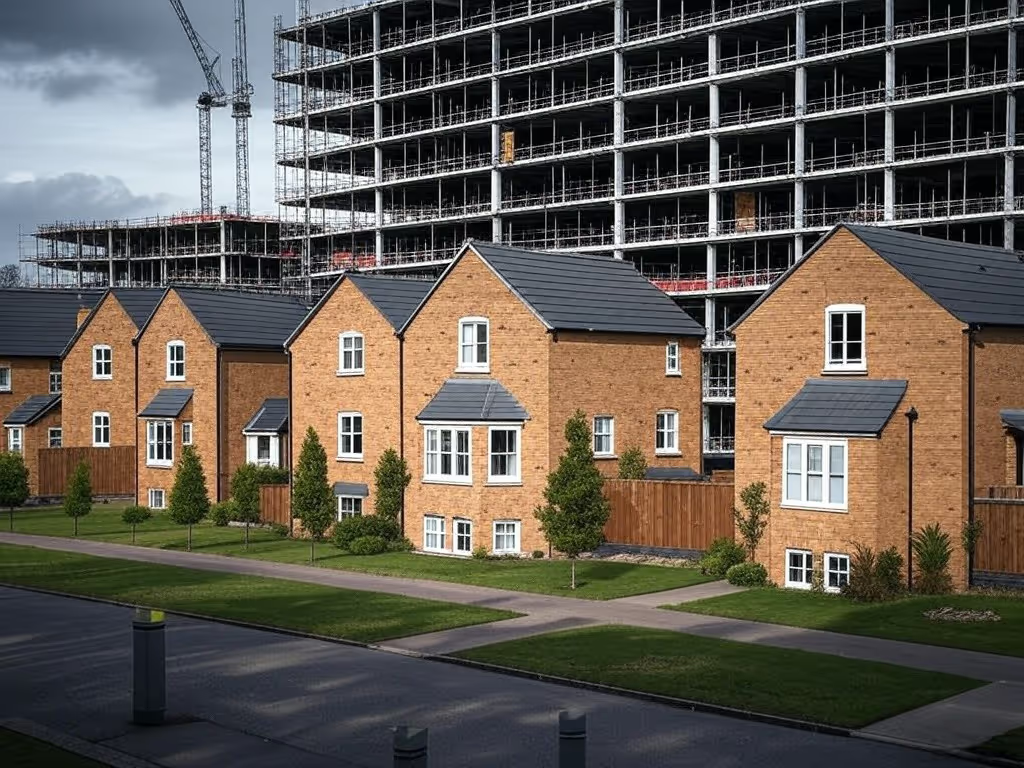
If a neighbour or development is blocking your sunlight, Daylight Protect can help you achieve the perfect right of light resolution.
We can offer an initial assessment, start the negotiation and put forward legal action where necessary.
Whether building work is planned, underway or already completed, Daylight Protect can help you understand your options and take informed steps towards resolving a right of light dispute.
We proudly offer a no-win, no fee structure, so we will be delighted to help manage your ongoing claim and only receive a commission if a successful settlement is paid out to you.
The outcome could be:
- A settlement or compensation to you
- Stopping of the building work (via an injunction)
- Changes to the building work
What Are Right of Light Issues?
A right of light is a legal framework in the UK that protects the natural light entering a building through its windows. Through this legal mechanism, it ensures that a neighbour or new building cannot come along and completely block all your light entering your property - since this is a huge inconvenience and impacts the value of the property.
Problems can arise when a neighbour, developer or property owner carries out building work that interferes with someone’s established right to light.
This may involve:
- A proposed extension that could block light to your home.
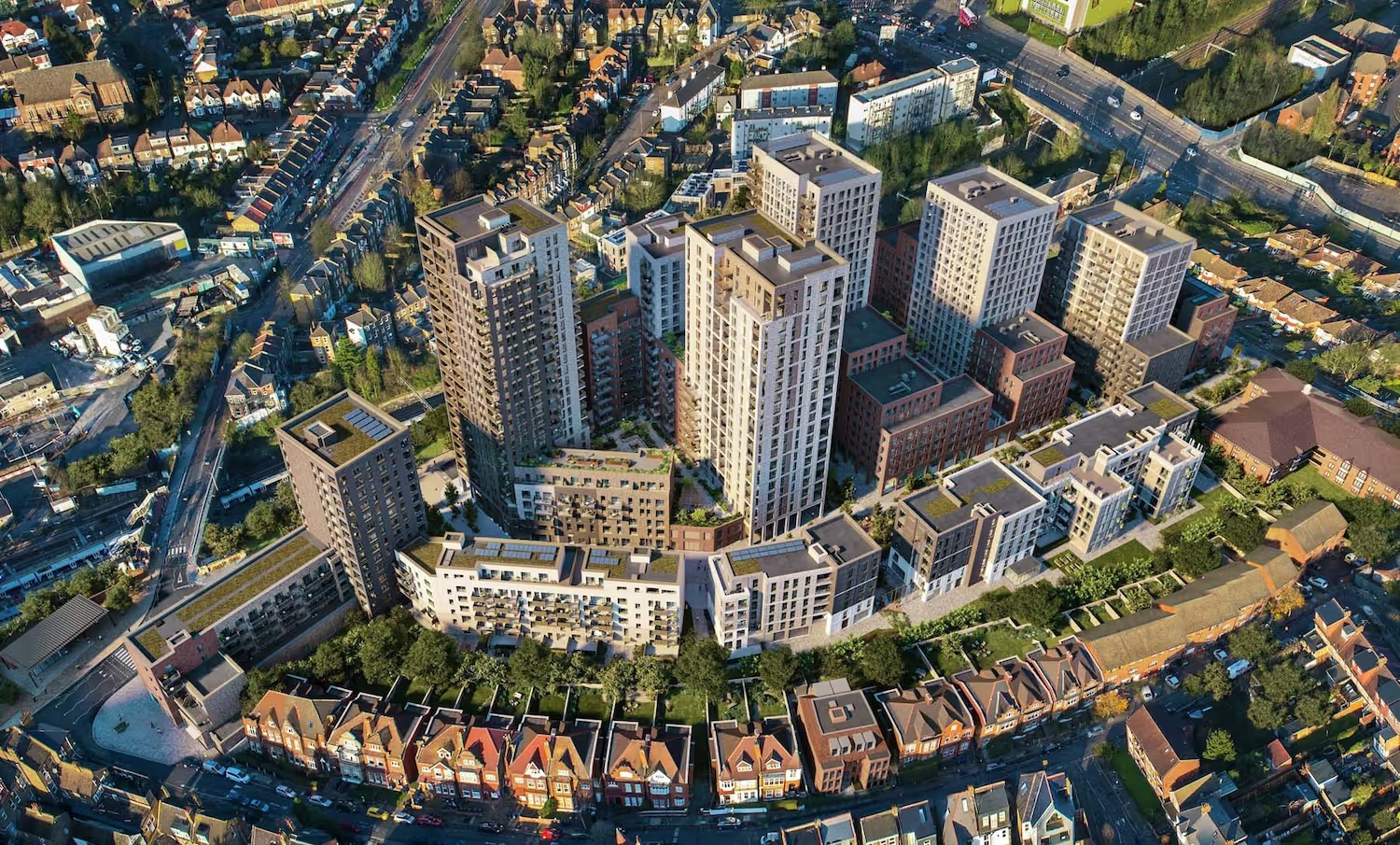
- A new residential or commercial development overshadowing existing windows.
- Building work that is already underway and reducing the light entering your rooms.
- A completed development that has left your property noticeably darker.
However, not every loss of daylight amounts to a legal infringement. Whether you have an actionable claim depends on factors such as the nature of your rights, the extent of the interference and the relevant legal circumstances.
The important first step is to establish whether you have a potential right of light claim and what options are available to you.
What Are the Types of Right of Light Resolution We Offer?
1. Negotiation
Where appropriate, negotiation can provide a practical way to resolve a dispute without going to court.
This may involve discussions with a neighbour, developer or their professional advisers about potential changes to a scheme, protective measures or financial compensation.
Early communication can sometimes help avoid unnecessary expense and delay.
2. Settlement
For any neighbours and developers, changing or stopping building work can be hugely expensive, especially if they have already completed most or all of it.
Requesting a settlement figure is a sensible option to pay for damages and impact to the property value.
3. Possible Litigation
Litigation involves bringing a dispute before a court where the parties cannot resolve it through other means.
Developers and neighbours do not like this because the legal work and court fees can be complex and costly, so the possibility of litigation may encourage a settlement offer.
4. Legal Action
If negotiations do not achieve a satisfactory outcome, formal legal steps may be necessary to protect your position.
Depending on the circumstances, this could involve obtaining legal advice, sending a formal letter before proceedings or seeking an appropriate remedy to prevent or address an infringement.
Taking advice early can be particularly important when building work is imminent or underway.
5. Court Remedies
Where a claim succeeds, the court may consider remedies appropriate to the circumstances. These can include an injunction, damages or other relief where legally available.
A right of light injunction may seek to prevent or restrict building work, while damages may provide financial compensation for an established infringement. Neither outcome is automatic.
Successful Right of Light Resolutions - By Daylight Protect
Freeholder turns a £4k developer offer into a £75k settlement
Charitable occupier secures six-figure settlement after multi-storey car park blocks event space daylight
Rights of light secured for a community arts centre facing total loss of studio daylight
Lost modern grant leveraged to deliver high six-figure outcome for a non-profit
What Is the Process for a Right of Light Dispute and Resolution?
A clear process can help you understand where you stand, what evidence you need and which steps may be appropriate.
Step 1: Tell Us About Your Situation
Explain what is happening, where the development is located and how it may affect your property.
Let us know whether the work is proposed, underway or completed, and whether you have already contacted the neighbour or developer.
Step 2: Initial Review
The available information is reviewed to identify the main issues and determine what further investigation may be needed.
Relevant information may include property details, window positions, photographs, planning documents and correspondence.
Step 3: Technical Assessment
Where appropriate, a specialist surveyor assesses the impact on light to the relevant rooms using suitable measurements, calculations and established methods.
This helps establish the extent of the potential interference.
Step 4: Understand Your Legal Position
The technical findings need to be considered alongside the legal basis of any right to light.
A technical reduction in light does not, by itself, prove a legal infringement. Specialist legal advice may be needed to determine whether the circumstances support a claim.
Step 5: Explore Resolution Options
Depending on the evidence and the stage of the development, possible options may include negotiation, proposed changes to the development, a settlement or further formal action.
The objective is to identify a proportionate route that reflects your circumstances and priorities.
Step 6: Further Action if Required
If an agreement cannot be reached, you may need advice from a solicitor experienced in right of light disputes.
They can explain the available legal remedies, the potential costs and risks, and whether court proceedings should be considered.
How Is a Right of Light Claim Assessed?
A right of light claim involves more than simply looking out of a window and deciding that a room feels darker.
A specialist surveyor can carry out technical calculations to establish the amount of daylight reaching the affected rooms and assess how a proposed or completed development may change it.
Daylight Protect's published guidance refers to the Waldram Method when assessing claims. Its guidance also refers to the 50/50 rule, under which at least 50% of a room should receive a sky factor of 0.2% or more.
These are technical considerations used in the assessment of light. Their application and significance depend on the circumstances, and they should not be treated as a guarantee that a legal claim will succeed or fail.
The surveyor's findings are considered alongside the legal information to establish whether there may be an actionable interference with your rights.
This is why obtaining a professional right of light assessment is important.
A development may look substantial from outside but have a relatively small legal impact on your property. Conversely, another development may have a much greater effect than you initially realise.
A professional assessment helps replace assumptions with evidence, giving you a more informed basis for deciding what to do next.
FAQs
Speak to Our Rights to Light Experts Today
We will gladly assist you with the best advice if you have received a letter from a developer. If you have been offered a settlement figure, we may be able to value this and tell you if it is fair or whether to ask for more. We can also present you with all the legal rights you have and advise if you want to negotiate further or take legal action.
Very. Typically, you have 12 months from the date of first infringement so this may be during the development phase and not when the construction is complete. After this 12 month window, it may be deemed that you have surrendered your light. However, it is important to note that every situation is different and certain exceptions exist.
With Daylight Protect, no. We fund the surveyor, solicitor, counsel, and litigation insurance. You pay nothing out of pocket. We only take a fee if your claim succeeds.
No, a development can be fully lawful and compliant with planning permission yet still unlawfully interfere with a neighbour’s right to light. In litigation, courts treat these as separate issues and will not let planning permission defeat a claim. However, it can influence the remedy, as courts are often more reluctant to order demolition where a scheme has been properly planned and delivers regeneration benefits, making damages a more likely outcome in many cases.
From our experience, it is likely that your claim will settle within a year. This can vary significantly on a case by case basis as some cases can be far more complex than others.
Yes, we charge a small commission in the event that your claim is successfully paid out. We cover all the assessment, surveyor, legal and court fees and you are not required to pay anything upfront. The commission amount will be made very clear to you before your commence.
Speak to Our Rights to Light Experts Today