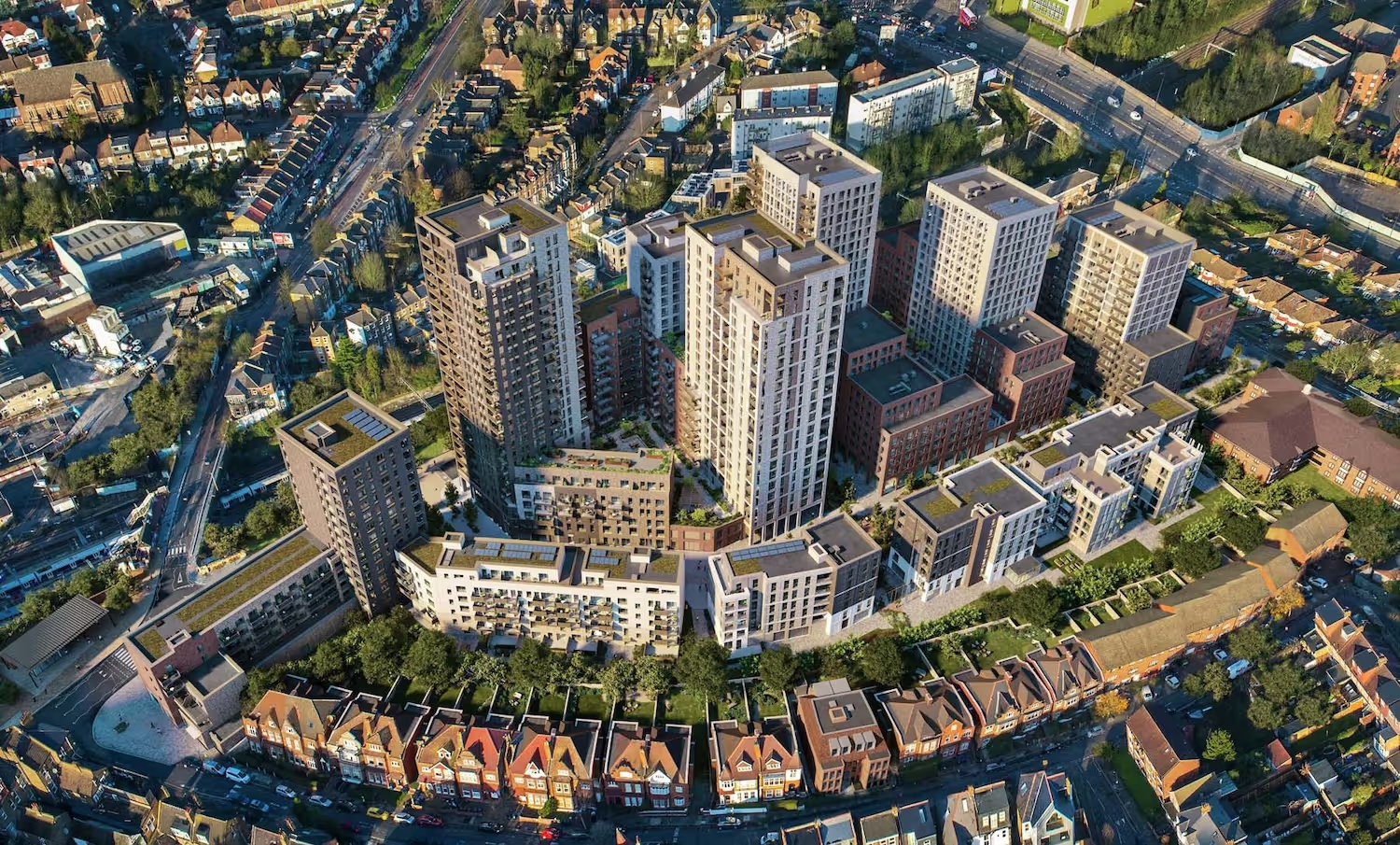
Our free right to light calculator tells you, in about 90 seconds, whether a new building next door may have taken enough light from your home to be worth a claim. It is for homes in England and Wales, it uses plain questions with no jargon, and it compares your answers with real claims we have pursued to settlement.
Over 2,000 claimants represented. Millions recovered. The calculator is built on that experience, so the first answer you get reflects how real claims have turned out rather than guesswork.
This page covers:
- How to use the calculator
- What it asks and how it works
- What the result tells you, and what to do next
How do you use the right to light calculator?
Answer the questions below. It takes about 90 seconds.
Prefer a bigger screen? Open the calculator full screen.
How does the calculator work?
It asks three sets of simple questions and compares your answers with similar claims.
First, it asks about your home: what type of property it is, whether you own it or rent it, roughly how old it is and its postcode. Age matters because a window usually needs 20 years of uninterrupted light before a right to light exists.
Second, it asks what changed. What stood next door before the new work began, how tall the new building is and how close it stands, and which room feels the difference most.
Third, it gives you your Daylight™ Impact Score and compares your circumstances with similar claims Daylight Protect has pursued to settlement. Leave your details and you can see the full result and ask for a free review by a specialist.
What does the result tell you?
It tells you whether your situation is worth a proper look. It does not tell you what your claim is worth.
Surveyors treat a room as adequately lit when more than half of it can still see a patch of sky. A claim usually turns on whether a new building has pushed a room below that line, and that is very hard to judge by eye. The calculator gives you a first indication. The free review then looks at measurements, the history of the property and the legal detail.
The result is an indicative guide only. It is not a valuation, legal advice or a formal rights of light assessment.
Common questions
What is a right to light?
It is a legal right to keep receiving enough light through a window. In England and Wales a window usually gains it after 20 years of uninterrupted light. Planning permission on its own does not cancel it, which we explain in our article on right to light and planning permission.
Who can use the calculator?
Anyone with a home in England and Wales that has a new building, extension or development close by. Renters can use it too, although the legal right will usually need to be considered with the owner. Commercial properties have a separate enquiry route.
Does it cost anything?
No. The calculator is free and so is the review that follows. If you have a claim, we work on a no win, no fee basis, so you pay nothing unless money is recovered for you.
What happens after I get my result?
If you ask for a review, a specialist looks at your circumstances and tells you plainly whether you have a claim worth pursuing. There is no obligation. Our step-by-step guide to making a right to light claim shows what happens from there.
Where this leaves you
If a new building has made your home darker, it costs nothing to find out whether the law is on your side. Use the calculator above, or if you would rather speak to someone straight away, you can start your claim assessment and we will tell you plainly where you stand.
This page is general information about the law in England and Wales, not legal advice. Outcomes always depend on the facts.
Joshua Platt BSc (Hons) MRICS, Director, Daylight Protect
Daylight Protect is a rights of light claims specialist operating across England and Wales. We provide a fully funded solution that covers everything end to end, the surveyor, the solicitor, counsel and court fees, backed by legal insurance that covers the developer's costs if a claim does not succeed. There is no recovery, no fee, and no costs to you either way. We tell you plainly when you have a claim, and just as plainly when you do not.
Similar insights